Starting a Combination Raised Bed and Container Garden: A Beginner’s Guide
Gardening is a rewarding and fulfilling hobby that can provide fresh produce, beautiful flowers, and a sense of accomplishment. For beginners looking to start a combination raised bed and container garden in the United States, the process can seem overwhelming at first. However, with the right information and a little planning, anyone can create a thriving garden. This guide will walk you through the essential steps, from determining your gardening zone to selecting plants, spacing them correctly, and establishing a watering routine.
Step 1: Determine Your USDA Hardiness Zone
Before selecting plants, it’s crucial to understand your USDA Hardiness Zone. The USDA Hardiness Zone Map divides the United States into 13 zones based on average annual minimum winter temperatures. Knowing your zone helps you choose plants that will thrive in your climate.
- Visit the USDA Hardiness Zone Map website: You can find this map online at the USDA website or through a quick search.
- Enter your zip code: The interactive map allows you to enter your zip code to find your specific zone.
- Note your zone: Write down or remember your zone, as this information will guide your plant selection.
Step 2: Choose the Right Plants for Your Zone
Once you know your hardiness zone, you can select plants that are suitable for your climate. Here are some general recommendations for different zones:
- Zones 3-4 (Cold Climates): Consider hardy vegetables like kale, carrots, and potatoes. Cold-tolerant herbs such as thyme and mint also do well.
- Zones 5-7 (Moderate Climates): Tomatoes, peppers, lettuce, and beans are great choices. Herbs like basil, parsley, and cilantro thrive in these zones.
- Zones 8-10 (Warm Climates): You can grow a wide variety of vegetables, including cucumbers, eggplants, and sweet potatoes. Herbs such as rosemary, oregano, and sage flourish in these areas.
- Zones 11-13 (Tropical Climates): Opt for tropical plants like bananas, pineapples, and papayas. Basil, lemongrass, and ginger are excellent herb choices.
Step 3: Plan Your Raised Bed Garden
Raised bed gardening offers numerous advantages, including improved soil quality, better drainage, and easier access. Here’s how to get started:
1. Select a Location
Choose a sunny spot in your yard that receives at least 6-8 hours of sunlight per day. Ensure the area has good drainage to prevent waterlogging.
2. Build or Buy Your Raised Bed
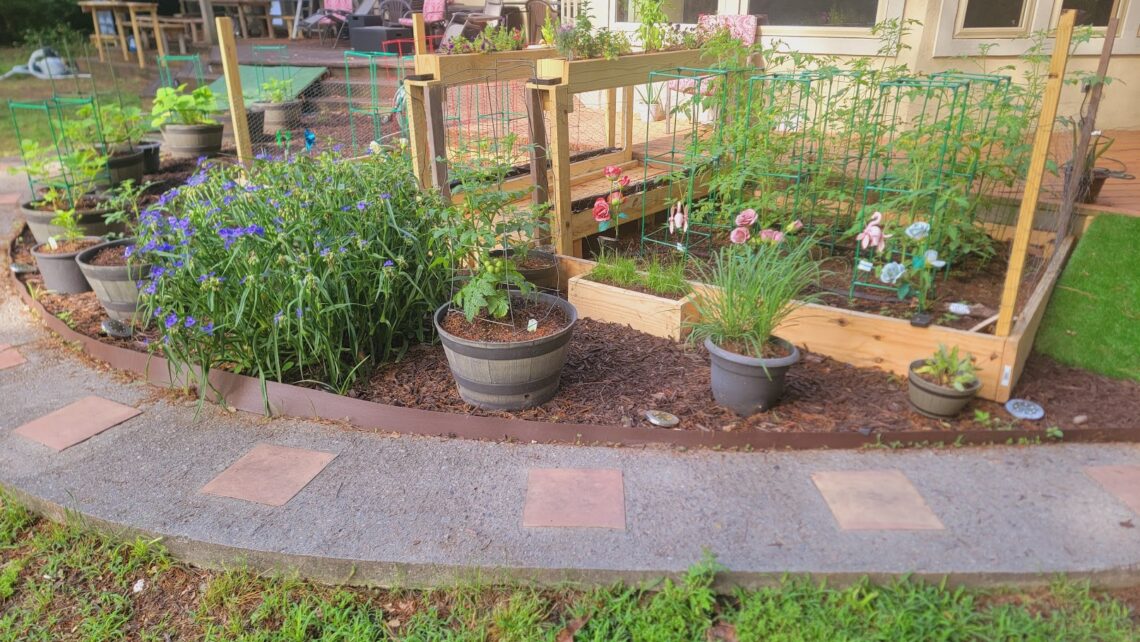
You can purchase pre-made raised beds or build your own using untreated wood, bricks, or other materials. Standard sizes are 4×4 feet or 4×8 feet, with a height of 12-18 inches.
3. Prepare the Soil
Fill your raised bed with a high-quality garden soil mix. A good mix includes:
- Topsoil: Provides structure and minerals.
- Compost: Adds organic matter and nutrients.
- Peat moss or coconut coir: Improves soil aeration and water retention.
4. Plant Selection and Spacing
When selecting plants, consider companion planting, which involves growing plants that benefit each other close together. Here are some common plant combinations and their spacing requirements:
- Tomatoes and Basil: Plant tomatoes 18-24 inches apart and basil 6-12 inches apart.
- Carrots and Onions: Plant carrots 2-3 inches apart and onions 4-6 inches apart.
- Lettuce and Radishes: Plant lettuce 12 inches apart and radishes 1 inch apart.
Refer to seed packets or plant tags for specific spacing guidelines.
Step 4: Plan Your Container Garden
Container gardening is ideal for small spaces or for growing plants that require specific soil conditions. Here’s how to start:
1. Choose Containers
Select containers with good drainage holes. Common container materials include plastic, ceramic, and fabric pots. Ensure the size of the container matches the plant’s root requirements:
- Small herbs: 6-8 inch pots
- Larger vegetables: 12-18 inch pots
- Small trees or shrubs: 20+ inch pots
2. Prepare the Soil
Use a high-quality potting mix designed for containers. Avoid using garden soil, which can compact and hinder root growth. A good potting mix includes:
- Peat moss or coconut coir: For water retention.
- Perlite or vermiculite: To improve drainage.
- Compost: For nutrients.
3. Plant Selection and Spacing
Container gardens can accommodate a variety of plants. Here are some popular choices and their spacing requirements:
- Herbs (Basil, Parsley, Mint): Plant 1-2 herbs per 6-8 inch pot.
- Vegetables (Tomatoes, Peppers, Cucumbers): Plant 1 vegetable per 12-18 inch pot.
- Flowers (Petunias, Marigolds, Geraniums): Plant 3-4 flowers per 12-inch pot.
Step 5: Watering Your Garden
Proper watering is essential for a healthy garden. Both raised beds and container gardens have different watering needs. Here are some general guidelines:
Raised Bed Watering
- Frequency: Water 1-2 times per week, depending on weather conditions. Increase frequency during hot, dry periods.
- Amount: Ensure the soil is moist to a depth of 6-12 inches. Use a soaker hose or drip irrigation to deliver water directly to the soil.
- Morning Watering: Watering in the morning reduces evaporation and allows plants to absorb moisture throughout the day.
Container Garden Watering
- Frequency: Container plants typically need watering more often than those in raised beds, often daily during hot weather.
- Amount: Water until it drains out the bottom of the pot, ensuring the entire root system is hydrated.
- Check Soil Moisture: Insert your finger into the soil to check moisture levels. If the top 1-2 inches are dry, it’s time to water.
Step 6: Maintain Your Garden
Ongoing maintenance ensures your garden remains productive and healthy. Here are some essential tasks:
1. Fertilizing
- Raised Beds: Apply a balanced organic fertilizer at planting time and again mid-season. Compost or aged manure can also be used to enrich the soil.
- Containers: Use a liquid fertilizer every 2-4 weeks during the growing season. Slow-release granules can also be mixed into the potting soil.
2. Mulching
- Raised Beds: Apply a 2-3 inch layer of organic mulch (straw, wood chips, or leaves) around plants to conserve moisture, suppress weeds, and improve soil quality.
- Containers: Mulch can also be used in containers to retain moisture and regulate soil temperature.
3. Pruning and Staking
- Tomatoes and Peppers: Prune suckers (side shoots) to encourage healthy growth and improve air circulation. Use stakes or cages to support the plants.
- Herbs: Regularly harvest herbs to promote bushier growth and prevent flowering, which can reduce the flavor of the leaves.
4. Pest and Disease Management
- Inspect Regularly: Check plants for signs of pests or diseases, such as discolored leaves, holes, or sticky residue.
- Natural Remedies: Use organic solutions like neem oil, insecticidal soap, or companion planting to deter pests.
- Remove Affected Plants: If a plant is severely affected, remove it to prevent the spread of disease to healthy plants.
Step 7: Harvesting
Knowing when and how to harvest your crops is key to enjoying the fruits of your labor. Here are some tips:
- Leafy Greens (Lettuce, Spinach): Harvest outer leaves as needed, allowing the plant to continue producing.
- Root Vegetables (Carrots, Radishes): Harvest when roots reach the desired size. Gently pull from the soil.
- Fruit Vegetables (Tomatoes, Peppers): Harvest when the fruit is fully colored and slightly soft to the touch.
- Herbs: Harvest regularly to encourage new growth. Use sharp scissors or pruning shears to cut stems just above a leaf node.
Conclusion
Starting a combination raised bed and container garden can be a rewarding venture for beginners. By determining your USDA Hardiness Zone, selecting appropriate plants, planning your garden layout, and establishing a proper watering and maintenance routine, you can create a flourishing garden. With patience and care, you’ll enjoy fresh produce and beautiful blooms right from your own backyard. Happy gardening!
Additional Resources
- USDA Hardiness Zone Map: USDA Website
- Gardening Guides: Check local extension services or gardening websites for specific advice tailored to your region.
- Books: Consider investing in gardening books such as “The Vegetable Gardener’s Bible” by Edward C. Smith or “All New Square Foot Gardening” by Mel Bartholomew for more in-depth knowledge.
You May Also Like

The Importance of Rewilding Your Garden: Enhancing Landscape and Natural Environment for Healthier Produce
A Comprehensive Guide to Tomato Varieties for Gardening: Choosing the Right Type for Your Space