
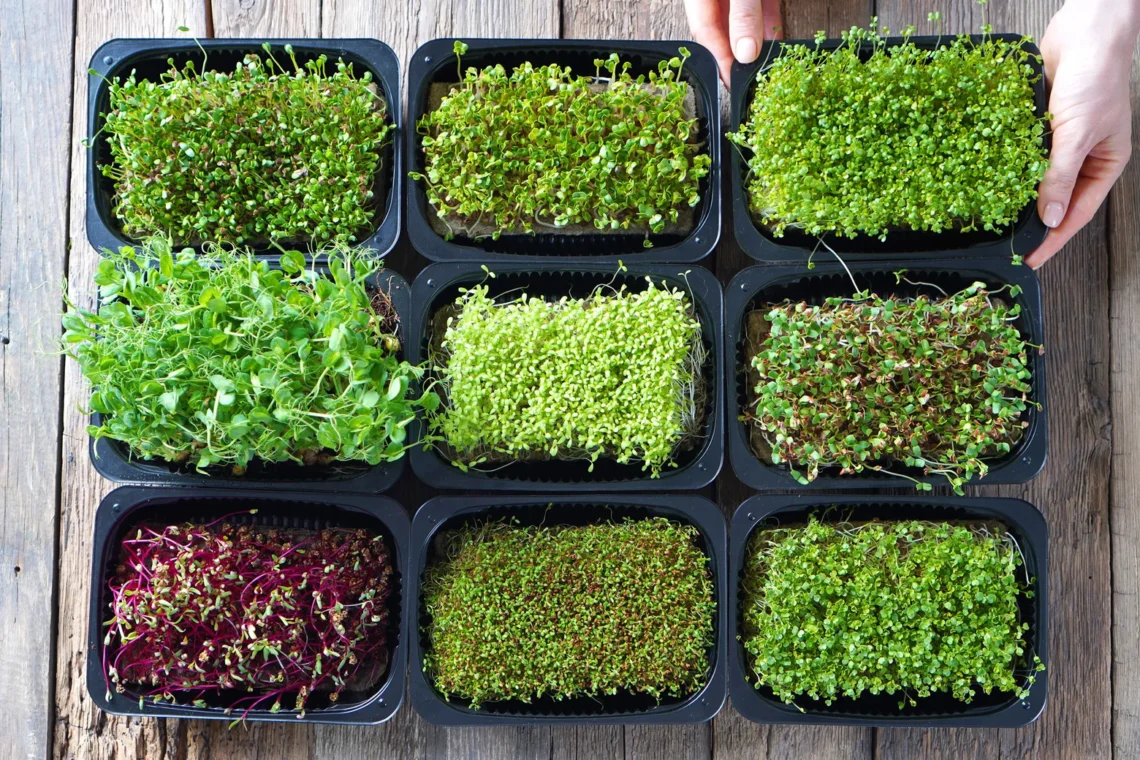
The Benefits and Ease of Growing Microgreens Indoors
Introduction to Microgreens
Microgreens are young vegetable greens, harvested just after the first true leaves have developed. They are packed with nutrients and boast a wide variety of flavors, making them a popular choice for enhancing dishes. Unlike sprouts, which are germinated seeds that are eaten entirely, microgreens are grown in soil or a hydroponic medium and only the stem and leaves are consumed, discarding the seed.
Various types of microgreens are cultivated, including arugula, basil, beet, celery, chives, cilantro, kale, mustard, parsley, and radish. Each type has its own distinct flavor, texture, and nutritional profile, catering to different preferences and culinary uses. Historically, microgreens first gained attention in the 1980s, utilized primarily by chefs in San Francisco to add visual appeal and freshness to dishes. Over the past few decades, their popularity has surged, becoming increasingly common in home kitchens and upscale restaurants alike.
The difference between microgreens and their more mature counterparts lies not only in their size but also in their concentration of nutrients. Studies have shown that microgreens can contain up to 40 times more vitamins and minerals than mature vegetables, making them a powerhouse addition to any diet. With their vibrant colors and potent flavors, they are now widely incorporated in salads, sandwiches, and garnishes, significantly elevating the dining experience.
Indoor gardening of microgreens has become a favored trend among home enthusiasts due to its simplicity and the minimal space required. People appreciate the accessibility and convenience of growing their own fresh produce year-round, especially those living in urban areas without ample outdoor gardening space. The growing ease and the numerous health benefits they offer make microgreens an appealing choice for both novice and experienced gardeners.
Health Benefits of Microgreens
Microgreens have garnered attention for their impressive nutritional profile, providing a significant concentration of essential vitamins, minerals, and antioxidants. These miniature seedlings, harvested just a few weeks after germination, contain higher nutrient levels than their mature plant counterparts, according to research conducted at the USDA Agricultural Research Service. The study found that microgreens can have four to 40 times more nutrients compared to the mature leaves of the same plant.
One of the most notable benefits of consuming microgreens is their high concentration of vitamins, particularly vitamins C, E, and K. Vitamin C is a potent antioxidant that plays a crucial role in boosting the immune system, while vitamin E is essential for skin health, helping to protect against oxidative damage. Vitamin K is vital for bone health and aids in the process of blood clotting.
In addition to vitamins, microgreens are rich in vital minerals such as potassium, iron, and zinc. Potassium is essential for maintaining healthy blood pressure levels, iron is critical for the production of red blood cells and oxygen transportation, and zinc supports immune function and healing processes. Researchers at the University of Maryland have pointed out that the nutrient density of microgreens enables them to be an excellent supplement to a balanced diet.
The presence of antioxidants in microgreens plays a significant role in neutralizing harmful free radicals in the body, thereby reducing the risk of chronic diseases like cancer and heart disease. Polyphenols, a type of antioxidant found in microgreens, have been shown to have anti-inflammatory and anti-carcinogenic properties.
Additionally, microgreens can aid in digestion due to their high fiber content. Fiber is essential for promoting regular bowel movements, reducing the risk of constipation, and maintaining healthy gut flora. An article in the Journal of Food Science underscores that the prebiotic nature of microgreens’ fiber content helps foster beneficial bacteria in the digestive system, further enhancing digestive health.
Finally, for those keen on improving their skin health, microgreens offer substantial benefits. The antioxidants and vitamins present help in reducing the signs of aging, including wrinkles and skin blemishes. Nutraceuticals, as described in reports by the National Institute of Health, illustrate how the bioactive components in microgreens support cellular regeneration and repair.
Incorporating microgreens into an indoor gardening routine not only provides nutritional enhancement but also supports overall well-being through their diverse health benefits.
Setting Up an Indoor Microgreens Garden
Growing microgreens indoors offers an excellent way to enjoy fresh, nutrient-dense greens year-round, regardless of your living space size. To start your indoor gardening journey, you will need a few essential materials: suitable containers, quality soil, microgreen seeds, and a reliable light source.
Containers with drainage holes, such as seed trays or shallow pots, are ideal for cultivating microgreens. Ensure your chosen containers are at least 1-2 inches deep to accommodate root growth. For soil, use a light, well-draining potting mix specifically developed for seed starting. High-quality seeds are paramount for healthy microgreens; consider purchasing organic or non-GMO varieties.
The planting process is simple yet crucial. Begin by filling your containers with potting soil, leaving about half an inch of space from the top. Thoroughly dampen the soil but avoid waterlogging. Then, evenly sprinkle your microgreen seeds across the soil’s surface. The seed density will depend on the specific type you are growing, but generally, aim for coverage without overcrowding. Lightly press the seeds into the soil and mist them gently with water.
Microgreens thrive under consistent light. If natural sunlight is insufficient in your indoor space, employ grow lights positioned about 6-12 inches above the containers to provide ample light. Ensure your microgreens receive 12-16 hours of light daily to promote optimal growth. Watering should be done carefully to keep the soil consistently moist but not waterlogged. A spray bottle often works best to maintain controlled moisture levels.
One advantage of growing microgreens indoors is the ease of maintenance. Even in compact living spaces like apartments, you can set up a productive microgreens garden on a windowsill or a small tabletop. However, be mindful of common challenges such as mold or pests. Maintain good air circulation around your plants, and promptly remove any moldy seedlings. Regularly check for pests and use natural remedies if needed to manage them.
By following these guidelines, establishing and maintaining an indoor microgreens garden becomes an achievable and rewarding endeavor, providing you with fresh greens in any season.
Harvesting and Utilizing Microgreens
Harvesting microgreens at the appropriate time is crucial for ensuring optimal flavor and nutritional value. The ideal time to harvest these young plants is when they are between one to three inches tall and have developed their first set of true leaves. This generally occurs around 7-14 days after planting, depending on the variety of microgreens. To harvest, use clean, sharp scissors or a knife to cut the stems just above the soil line. This method helps to minimize damage to the plants and maintain their integrity.
Incorporating microgreens into your meals offers a versatile way to enhance both the flavor and aesthetic appeal of your dishes. They make a vibrant addition to salads, adding a delicate crunch and a burst of freshness. For sandwiches and wraps, microgreens provide a nutritious and flavorful layer. Smoothies, too, can benefit from the nutritional boost provided by these young greens; simply blend them in with other ingredients. As garnishes, microgreens can elevate the sophistication and visual appeal of any plate, making them a favorite among chefs.
To inspire creativity in the kitchen, consider the following simple and delicious recipes:
- Microgreen Salad: Combine a mix of microgreens with cherry tomatoes, cucumber, and a light vinaigrette for a refreshing, nutrient-packed salad.
- Microgreen Pesto: Blend microgreens with garlic, nuts, Parmesan cheese, and olive oil to create a unique twist on traditional pesto sauce.
- Microgreen Smoothie: Blend a handful of microgreens with your favorite fruits, yogurt, and a splash of juice for a revitalizing smoothie.
Proper storage is essential to maximize the freshness of your harvested microgreens. After cutting, gently wash and thoroughly dry the microgreens to remove any residual soil or moisture. Store them in an airtight container lined with a paper towel to absorb any excess moisture. Place the container in the refrigerator, where the microgreens can stay fresh for up to a week. By following these harvesting and storage tips, you can enjoy the myriad benefits of indoor gardening with microgreens at their peak quality.


You May Also Like

Starting a Combination Raised Bed and Container Garden: A Beginner’s Guide

Companion Planting: The Best Flowers and Plants to Pair with Tomatoes
