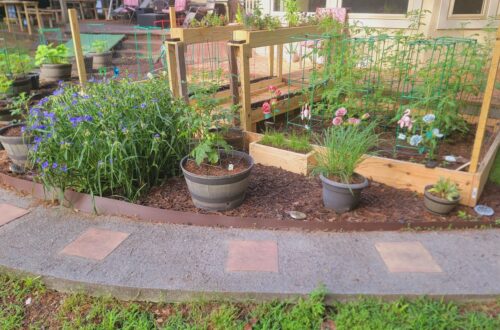
The Importance of Rewilding Your Garden: Enhancing Landscape and Natural Environment for Healthier Produce
Understanding Rewilding: What It Is and Why It Matters
Rewilding is an ecological restoration approach that seeks to return land and habitats to their natural, self-sustaining states, promoting biodiversity and ecosystem health. Unlike traditional gardening practices, which often prioritize controlled aesthetics and conventional cultivation methods, rewilding allows nature to take the lead. This method embraces native flora and fauna, facilitating natural processes such as succession and adaptation, leading to a more resilient and biodiverse environment.
The significance of rewilding cannot be overstated, especially in the context of the ongoing threats to our natural habitats. Urbanization, agricultural expansion, and climate change have contributed to a decline in biodiversity, disrupting habitats and threatening species. By implementing rewilding principles in your garden, you can provide a sanctuary for various species, including pollinators, birds, and beneficial insects, thereby enhancing your local ecosystem. This, in turn, supports the health of your produce, as a diverse ecosystem often leads to improved pollination and pest control.
Moreover, rewilding serves as a proactive response to the challenges presented by habitat loss and fragmentation. By creating wild spaces, gardeners can help restore ecological balance, promoting nutrient cycling and improving soil health. These practices may also enhance the resilience of gardens, making them better equipped to endure climate fluctuations and pest outbreaks. As a result, a rewilded garden is not only beneficial for the environment but also provides a more sustainable approach to food production.
By understanding the principles of rewilding and its importance for both biodiversity and personal gardening practices, individuals can contribute to a larger movement aimed at restoring ecological integrity. Embracing this philosophy in your garden allows you to participate actively in combating environmental decline while fostering a more vibrant and sustainable community.
Benefits of Rewilding for the Natural Environment
Rewilding your garden can lead to a multitude of environmental benefits, notably by enhancing biodiversity. This approach encourages the establishment of habitats that cater to various species, including vital pollinators like bees and butterflies, as well as beneficial insects such as ladybugs and lacewings. By fostering these populations, rewilding aids in the pollination of plants, which is crucial for food production and maintaining the balance of our ecosystems.
Another significant advantage of rewilded gardens is the improvement of soil health. Traditional gardening practices often involve the use of chemical fertilizers and pesticides, which can degrade the soil and harm local flora and fauna. In contrast, a rewilded space promotes the natural cycle of decomposition and nutrient replenishment, allowing soil organisms to thrive. This shift toward organic matter enhances the soil’s structure, resulting in better aeration and improved water retention. These changes not only make the garden more resilient to drought but also support the healthy growth of plants.
Moreover, rewilded gardens play a critical role in combating climate change. By providing greater vegetation cover, these spaces can sequester carbon dioxide, reducing greenhouse gas concentrations in the atmosphere. Additionally, natural foliage helps to regulate temperatures, thereby mitigating the urban heat island effect. A diverse garden ecosystem contributes to healthier air and water quality, capturing pollutants and enhancing the overall environment.
Rewilding also significantly reduces maintenance efforts compared to conventional gardening methods. With a focus on native plants that are well adapted to local conditions, less time and fewer resources are required for upkeep. This approach results in lower dependency on chemical treatments, promoting a healthier relationship between our gardens and the natural environment.
Rewilding Techniques: How to Get Started in Your Own Garden
Rewilding your garden is an enriching endeavor that benefits both the environment and your personal well-being. To effectively engage in this process, one must adopt several key techniques that facilitate a return to a more natural state. The first step is to allow native plants to thrive, as these species are well-adapted to the local environment. By permitting these plants to grow, not only do you create a habitat for local wildlife, but you also enhance biodiversity in your garden.
Creating diverse plant habitats is another essential technique in rewilding. This can be achieved by grouping plants based on their ecological needs, which may include factors like water, sunlight, and soil type. Consider incorporating a variety of height and texture in your plant selections, as this will attract different types of pollinators and beneficial insects. For instance, tall perennials can provide shelter, while flowering plants can serve as food sources for visiting pollinators.
Reducing lawn areas is a critical component of rewilding as well. Traditional lawns demand excessive maintenance, often requiring synthetic fertilizers and pesticides. Instead, consider replacing portions of your lawn with meadows or wildflower patches. This transition can be gradual; starting with a small section allows you to observe results and adjust as necessary. When selecting plants, prioritize native species. Incorporating natural materials like logs or rocks can further enhance habitat structures and promote soil health.
Lastly, the principles of permaculture can significantly inform your rewilding efforts. By observing natural patterns and working with them, you’ll encourage self-sustaining ecosystems. Planning is vital in this process; sketching your garden’s layout can help visualize changes and plan for gradual transformations, empowering you to achieve a thriving, rewilded garden.
Harvesting Healthier Produce: The Connection Between Rewilding and Nutrition
Rewilding your garden is not merely about aesthetics; it significantly influences the nutritional quality of the produce harvested. The interconnectedness of biodiversity and food quality plays a pivotal role in promoting nutrient-rich and resilient crops. By allowing native plants to flourish alongside your vegetables, you cultivate a diverse ecosystem that can enhance soil quality and boost crop resilience against pests and diseases. This diversity not only supports better plant health but also contributes to the nutritional profiles of the produce.
One of the primary benefits of rewilding is the reduction in dependency on synthetic pesticides and fertilizers. In a rewilded environment, beneficial insects, such as pollinators and predators of crop pests, can thrive. These natural allies help maintain a balanced ecosystem, ultimately leading to healthier plants with fewer chemical inputs. Such organic practices have been associated with crops that boast higher nutritional values. Studies have shown that organically grown fruits and vegetables often contain more vitamins, minerals, and phytonutrients than those conventionally grown.
Moreover, rewilding encourages gardeners to experiment with unconventional plant choices, which can lead to the discovery of lesser-known but highly nutritious varieties. Incorporating companion planting and permaculture techniques can further enhance biodiversity, fostering a more symbiotic relationship between plants and the surrounding environment. Additionally, participating in community-supported agriculture (CSA) programs encourages a commitment to local food systems, offering fresh, seasonal, and potentially more nutritious produce. Embracing these rewilding practices not only contributes to personal health but also supports local ecosystems and agriculture.
In conclusion, rewilding your garden creates a thriving environment conducive to the production of healthier and more nutritious crops. By focusing on biodiversity, organic practices, and community engagement, gardeners can enhance both their produce and the surrounding natural landscape.


You May Also Like

A Comprehensive Guide to Tomato Varieties for Gardening: Choosing the Right Type for Your Space

Companion Planting: The Best Flowers and Plants to Pair with Tomatoes